Improving peace operations by advancing the role of women
Published by: Stanley Foundation, November 2006
Via: Siyanda
In November 2006, over 75 experts gathered in New York and Washington to discuss barriers to women's advancement and consider concrete ways to improve the recruitment and selection of women for United Nations (UN) peace operations - as heads of mission, military personnel, civilian police, and international and national civilian staff. Their discussions revealed several trends. The UN is becoming more aware of the importance of gender balance in staffing. It also increasingly recognises the operational effectiveness of women, particularly in military and police roles in peace operations. At the same time, key policymakers and practitioners are often unwilling to act on such trends, given time constraints, the presence of competing priorities, and the hazardous environment of peacekeeping missions. In their recommendations, participants reiterated the importance of a gender perspective in peacekeeping. Experts expressed a need for more targeted recruitment of women, as well as networking opportunities for those currently serving in peace operations. Field postings should also be made more attractive to women, and their specific logistical needs must be part of mission design and operational activities to promote their full participation. (http://www.stanleyfoundation.org/publications/other/UN_Reform_Women1_07.pdf)
Friday, March 09, 2007


Tuesday, March 06, 2007
Has VAWA delivered on its promise to women?
Special Report
Published by: Respecting Accuracy in Domestic Abuse Reporting (RADAR), 2007
Via: Docuticker
Domestic violence laws such as the Violence Against Women Act (VAWA) are not reducing abuse rates and may be placing women at greater risk of violence, according to a report released today. “Has VAWA Delivered on its Promises to Women?” reveals that partner homicides had already dropped 29% by 1994, the year that VAWA was enacted into law. After 2000, declines began to bottom out, according to Department of Justice statistics. Some VAWA-driven policies, such as mandatory arrest for restraining order violations, are seen as placing certain groups of women at greater risk of subsequent violence. “Get-tough domestic violence laws aren’t working the way persons had hoped,” notes RADAR spokesperson Lisa Scott. “In some areas, arrests of females have skyrocketed and 15% of restraining orders are taken out against women.”
(http://www.mediaradar.org/docs/VAWA-Has-It-Delivered-on-Its-Promises-to-Women.pdf)
Published by: Respecting Accuracy in Domestic Abuse Reporting (RADAR), 2007
Via: Docuticker
Domestic violence laws such as the Violence Against Women Act (VAWA) are not reducing abuse rates and may be placing women at greater risk of violence, according to a report released today. “Has VAWA Delivered on its Promises to Women?” reveals that partner homicides had already dropped 29% by 1994, the year that VAWA was enacted into law. After 2000, declines began to bottom out, according to Department of Justice statistics. Some VAWA-driven policies, such as mandatory arrest for restraining order violations, are seen as placing certain groups of women at greater risk of subsequent violence. “Get-tough domestic violence laws aren’t working the way persons had hoped,” notes RADAR spokesperson Lisa Scott. “In some areas, arrests of females have skyrocketed and 15% of restraining orders are taken out against women.”
(http://www.mediaradar.org/docs/VAWA-Has-It-Delivered-on-Its-Promises-to-Women.pdf)
Programming to address violence against women

10 Case Studies
Published by: United Nations Population Fund (UNFPA), 2007
Via: UNPulse
A study by the UNFPA shows that community-based interventions aimed at halting violence against women can yield significant results. Programming to address violence against women offers case studies to show how targeted and planned interventions can reduce gender-based violence. The 10 case studies include:
- MAURITANIA: Midwives Call Attention to the Problem of Rape, and Imams Encourage Justice for its Victims
- ROMANIA: Tackling Domestic Violence From Many Angles
- SIERRA LEONE: Getting at the Roots of ‘Survival’ Sex
- MOROCCO: Pulling Together to Protect Women’s Rights
- COLOMBIA: Claiming the Right to Life and Health in a Region of Death
- KENYA: Creating a Safe Haven, and a Better Future, for Maasai Girls Escaping Violence
- TURKEY: Celebrities Kick Into Action to Curb Violence Against Women
- MEXICO: Addressing Family and Sexual Violence Through Public Policy
- BANGLADESH: Community Pressure Groups Challenge Age-old Views on Violence Against Women
- GHANA: Liberating Slaves and Changing Minds, Starting at the Grass Roots
Thursday, January 11, 2007
The elimination of all forms of discrimination and violence against the girl child
A Secretary-General report
Published by: United Nations (UN), 2006
Via: UNPulse
The Secretary-General's report on the elimination of all forms of discrimination and violence against the girl child (E/CN.6/2007/2) has been released. The report analyses the current situation of the girl child and proposes recommendations for consideration by the Commission. The Commission on the Status of Women is making this subject the priority theme for its 51st session which begins on 26 February. An online discussion on the girl child was held from 14 August to 8 September 2006, which was followed by an Expert Group Meeting. See the UNICEF Call to Action to end discrimination and violence against girls.
Published by: United Nations (UN), 2006
Via: UNPulse
The Secretary-General's report on the elimination of all forms of discrimination and violence against the girl child (E/CN.6/2007/2) has been released. The report analyses the current situation of the girl child and proposes recommendations for consideration by the Commission. The Commission on the Status of Women is making this subject the priority theme for its 51st session which begins on 26 February. An online discussion on the girl child was held from 14 August to 8 September 2006, which was followed by an Expert Group Meeting. See the UNICEF Call to Action to end discrimination and violence against girls.
What happened to the women? Gender and reparations for human rights violations
Human rights violations from a gender perspective
By: Rubio-Marín, R
Published by: Social Science Research Council (SSRC), USA , 2006
Via: Eldis
This online book chronicles human rights violations against women in the context of violent conflict, with a focus on what these crimes mean to the women themselves and what happens in their aftermath. A key subject covered in the book is that of reparations to women who have suffered, and a consideration of how these procedures can take into account the particular nature of violations suffered by women, while contributing to increasing women's status as equal citizens. The book comprises seven chapters, which are:
By: Rubio-Marín, R
Published by: Social Science Research Council (SSRC), USA , 2006
Via: Eldis
This online book chronicles human rights violations against women in the context of violent conflict, with a focus on what these crimes mean to the women themselves and what happens in their aftermath. A key subject covered in the book is that of reparations to women who have suffered, and a consideration of how these procedures can take into account the particular nature of violations suffered by women, while contributing to increasing women's status as equal citizens. The book comprises seven chapters, which are:
- the gender of reparations: setting the agenda
- evaluating the gender content of reparations: lessons from South Africa
- Guatemala: gender and reparations for human rights violations
- linking gender and reparations in Peru: a failed opportunity
- women and reparations in Rwanda: a long path to travel
- gender and reparations in Sierra Leone: the wounds of war remain open
- learning to engender reparations in Timor-Leste: reaching out to female victims
Friday, December 15, 2006
Holliday Season!
 Dear Readers
Yet another year has flown by. And it was a busy year indeed! I am going to take a well-deserved break, and will start posting again at breakneck speed in the New Year.
I hope that Gender Focus and its sister blogs have been of some help to you, and will continue to do so in the future. So look forward to a bumper crop of posts early in January 2007, as I will endeavor to bring you all up to speed with what has been happening over the holiday season.
Have a great time, and a Happy New Year!
Wednesday, December 06, 2006
SCR 1325 and the Peacebuilding Commission
Security Council Resolution 1325 on Women, Peace and Security - Six years on report
Edited by: Torry G
Published by: NGO Working Group on Women, Peace and Security. October 2006
Via: International Alert
This report examines the process leading up to and the establishment of the PBC, along with a critical analysis of what this newly formed Commission means, not only for women and the implementation of SCR 1325, but for the coordination of policy and frameworks that will achieve durable peace and development in the countries where the Commission operates. It also considers key issues at stake in the implementation of SCR 1325 by the PBC such as gender-mainstreaming, disarmament, demobilization and reintegration, displacement, women’s active participation in formal processes and the consequences of sexual and gender-based violence. Finally, the report makes recommendations to be urgently taken up by both the Peacebuilding Commission and advocates for gender justice and peace.
Edited by: Torry G
Published by: NGO Working Group on Women, Peace and Security. October 2006
Via: International Alert
This report examines the process leading up to and the establishment of the PBC, along with a critical analysis of what this newly formed Commission means, not only for women and the implementation of SCR 1325, but for the coordination of policy and frameworks that will achieve durable peace and development in the countries where the Commission operates. It also considers key issues at stake in the implementation of SCR 1325 by the PBC such as gender-mainstreaming, disarmament, demobilization and reintegration, displacement, women’s active participation in formal processes and the consequences of sexual and gender-based violence. Finally, the report makes recommendations to be urgently taken up by both the Peacebuilding Commission and advocates for gender justice and peace.
Tuesday, December 05, 2006
Reducing urban violence in developing countries
A policy brief
Published by: The Brookings Institute, 2006
Via: Docuticker
This brief is informed by the findings from participatory urban appraisals of violence undertaken by the author in 1999 in eighteen poor urban communities in Colombia and Guatemala. These provide perception data from an extensive number of local women and men, girls and boys, whose daily lives are influenced by violence, insecurity, and fear. While participatory methodologies are now recognized as an important way of bringing the ‘voices of the poor’ to policymakers, to date they have focused on the problem of poverty. Thus this study pioneers a new violence-focused research methodology—first as a pilot project by the author in an earlier study of urban violence in Jamaica
Published by: The Brookings Institute, 2006
Via: Docuticker
This brief is informed by the findings from participatory urban appraisals of violence undertaken by the author in 1999 in eighteen poor urban communities in Colombia and Guatemala. These provide perception data from an extensive number of local women and men, girls and boys, whose daily lives are influenced by violence, insecurity, and fear. While participatory methodologies are now recognized as an important way of bringing the ‘voices of the poor’ to policymakers, to date they have focused on the problem of poverty. Thus this study pioneers a new violence-focused research methodology—first as a pilot project by the author in an earlier study of urban violence in Jamaica
Thursday, November 30, 2006
A question of security: violence against Palestinian women and girls
How can the Palestinian Authority improve the security of women and girls?
Published by: Human Rights Watch (HRW) , 2006
Via: Eldis
This report documents the problems of domestic violence against women and girls in the Occupied Palestinian Territories (OPT). The report finds that these girls and women are often victims of violence perpetrated by family members and intimate partners and indicates that the Palestinian Authority (PA) has taken little action to seriously address these abuses. Based on interviews and the other research described the report finds that two primary obstacles stand in the way of enhanced protection against domestic violence for Palestinian women and girls:
Published by: Human Rights Watch (HRW) , 2006
Via: Eldis
This report documents the problems of domestic violence against women and girls in the Occupied Palestinian Territories (OPT). The report finds that these girls and women are often victims of violence perpetrated by family members and intimate partners and indicates that the Palestinian Authority (PA) has taken little action to seriously address these abuses. Based on interviews and the other research described the report finds that two primary obstacles stand in the way of enhanced protection against domestic violence for Palestinian women and girls:
- discriminatory laws that condone and perpetuate such violence
- the virtual absence of institutionalised policies to prevent violence, assist victims, and hold perpetrators accountable
The report recommends the following:
- the PA must commit, as a matter of urgent priority, to preventing violence against women and girls and pursuing these crimes through effective investigations and prosecutions
- the PA should also train all government employees (including police officers, doctors, governors, and forensic experts) who come into contact with victims of physical and sexual violence on how to deal with such cases appropriately and establish clear and explicit guidelines of intervention in line with international standards
- long-term work is needed to transform attitudes and beliefs about the acceptability of violence against women and girls, whether stemming from tribal customs or interpretations of religious norms, or other sources
Tuesday, November 28, 2006
Mairin iwanka raya: indigenous women stand against violence
 Realising the rights of Indigenous women
Published by: International Indigenous Womens Forum (FIMI) / Pan African Development Information System (PADIS) , 2006
Via: Eldis
Millions of indigenous women suffer violence in the name of tradition or as a consequence of neo-liberal economic reform. The rights framework, intended for their protection, is feeble. Persistent gaps between the global women's movement and the international Indigenous movement hamper its development. This report contributes to the advancement of a human rights debate capable of generating concrete, effective strategies to combat violence against Indigenous women. It focuses on particular contexts that give rise to such violence including migration, HIV/AIDS, armed conflict and domestic violence. Steps proposed in the report, for realising Indigenous women's right to a life free of violence include:
- developing new concepts pertaining to human rights for indigenous women
- strengthening indigenous women?s advocacy through education, data collection and public policy
- promoting indigenous women?s leadership
- advancing indigenous people?s rights
An extensive bibliography is provided along with a list of seminal documents on violence against indigenous women.
Thursday, November 23, 2006
Zero tolerance: stop the violence against women and children, stop HIV/AIDS
What is needed to break the link between HIV/AIDS and violence?
By: Schechtman L
Published by: Global AIDS Alliance , 2006
Via: Eldis
This document describes a framework for a comprehensive response to violence against women and children, including the resources that would be needed, political and financial, for full implementation. It discusses the various arenas and circumstances in which women and children are vulnerable to violence and to infection with HIV, using direct quotes and case studies of women and children’s experiences. It then discusses effective strategies and programmes that are needed to address violence in each situation, illustrating with the following case studies:
By: Schechtman L
Published by: Global AIDS Alliance , 2006
Via: Eldis
This document describes a framework for a comprehensive response to violence against women and children, including the resources that would be needed, political and financial, for full implementation. It discusses the various arenas and circumstances in which women and children are vulnerable to violence and to infection with HIV, using direct quotes and case studies of women and children’s experiences. It then discusses effective strategies and programmes that are needed to address violence in each situation, illustrating with the following case studies:
- an holistic response to intimate partner violence in South Africa
- successful legal reform in the Democratic Republic of Congo
- innovative training on HIV/AIDS, sexual violence and the law in Rwanda
- South Africa’s Thuthuzela care centres
- engaging men and boys in Egypt to change gender norms
- participatory video brings violence out of the shadows among Liberian refugees
- raising awareness of Nicaraguan youth through creative media
The report also identifies six overarching areas where action is needed:
- political commitment at the country, international and civil society levels. This requires further resources for programmes to address violence, a commitment to meeting existing targets, and could possibly include the formation of a specialised task force on violence against women and children
- legal and judicial reform to criminalise all forms of violence against women and children, and legally mandate violence recognition, prevention and response training for judicial professionals
- comprehensive reform of the health sector ensure that violence against women and children is an essential element of universal access to care
- countries should establish gender and violence trainings throughout the education sector for professional certification, incorporate violence into all national education strategies, and establish schools at all levels as places of safety
- local leaders and change agents should be mobilised by a decentralised network of community task forces, established by a national strategy, to identify, respond to, and speak out against violence against women and children in their communities
- national strategies should include plans to conduct widespread, comprehensive mass marketing campaigns aimed at eradicating tolerance of violence and modifying harmful gender norms.
Wednesday, October 18, 2006
Female suicide bombers
Dying for Equality?
Edited By: Yoram Schweitzer
Published by: The Jaffee Center for Strategic Studies (JCSS), 2006
Via: Docuticker
Between 1985 and 2006, there have been more than 220 women suicide bombers, representing nearly 15 percent of the overall number of actual suicide bombers around the world and those intercepted in the final stages before the attack
Edited By: Yoram Schweitzer
Published by: The Jaffee Center for Strategic Studies (JCSS), 2006
Via: Docuticker
Between 1985 and 2006, there have been more than 220 women suicide bombers, representing nearly 15 percent of the overall number of actual suicide bombers around the world and those intercepted in the final stages before the attack
Tuesday, October 17, 2006
Securing equality, engendering peace: a guide to policy and planning on women, peace and security (UN SCR 1325)
 A practical guide to promoting women’s participation in peace and security initiatives
By: Valasek K & Nelson K
Published by: United Nations International Research and Training Institute for the Advancement of Women (INSTRAW) , 2006
Via: Eldis
This guide aims to facilitate the creation of policies and concrete action plans on the issue of women, peace and security through the provision of good practices, specific recommendations and a six-step model process. It is intended as a resource for governments, United Nations and regional organisations as well as non-governmental organisations (NGOs) who are interested in developing plans and policies on women, peace and security issues.
The guide’s approach is founded on three core methodologies: strategic planning; participatory planning; and gender/socio-economic analysis. In order to draw out lessons from previous experience, the guide describes in some detail the approaches used by other countries in drawing up action plans, in Denmark, the UK, Sweden, Norway, Canada and Switzerland, as well as regional organisations in Europe and Africa.
Monday, October 09, 2006
In-depth study on all forms of violence against women
Report of the Secretary-General
Published by: United Nations, 2006
Via: UN Pulse
The Secretary-General's in-depth study on all forms of Violence against Women (A/61/221/Add.1) has been issued. To mark the study's presentation to the General Assembly (GA) on Monday, 9 October, the Division for the Advancement of Women (DAW), will be organising a GA Panel discussion on The role of specific sectors in addressing, preventing and eliminating violence against women. While it will not present new data, the study analyzes existing research and makes recommendations. Background information to the in-depth study can be found in document A/61/122. Find out more on the study from the DAW Web site.
Later this month, as happens every year, the UN will promote the important role of women in peace and security on the occasion of the anniversary of the landmark Security Council resolution 1325.
Published by: United Nations, 2006
Via: UN Pulse
The Secretary-General's in-depth study on all forms of Violence against Women (A/61/221/Add.1) has been issued. To mark the study's presentation to the General Assembly (GA) on Monday, 9 October, the Division for the Advancement of Women (DAW), will be organising a GA Panel discussion on The role of specific sectors in addressing, preventing and eliminating violence against women. While it will not present new data, the study analyzes existing research and makes recommendations. Background information to the in-depth study can be found in document A/61/122. Find out more on the study from the DAW Web site.
Later this month, as happens every year, the UN will promote the important role of women in peace and security on the occasion of the anniversary of the landmark Security Council resolution 1325.
Thursday, October 05, 2006
Peace and security for all
 A feminist critique of the current peace and security policy
Discussion Paper by: Feminist Institute of the Heinrich Böll Foundation, 2006
Via: GLOW
"This paper presents the results of these discussions and processes at the Feminist Institute. We do not claim to cover the entire scholarly/empirical state of knowledge, let alone provide comprehensive answers. We sought to stimulate additional work on this subject at the Femme Globale Conference at the Humboldt University in Berlin in early September. We wanted to open our views on international and especially European peace and security policy to debate among experts and political actors from Germany and abroad, to discuss experiences and strategies, to identify deficits in knowledge and action, and to discuss further activities. The results of these activities were used to rework this paper."
Monday, September 18, 2006
Afghanistan: uncounted and discounted
Revealing the facts about domestic violence in Afghanistan
Published by: UNIFEM Afghanistan / Child Rights Information Network (CRIN) , 2006
Via: Eldis
There has been limited research regarding the nature and extent of violence against women in Afghanistan. The service-based research carried out for this report seeks to begin to fill this void. For the purpose of this study, UNIFEM Afghanistan analysed data collected by organisations and agencies working throughout the country. Through this study, UNIFEM seeks to raise awareness about violence against women by shedding light on the types of violence being committed against women, the victims and perpetrators of such violence, the manner in which data is collected on violence against women, and the way referrals are being made.
Published by: UNIFEM Afghanistan / Child Rights Information Network (CRIN) , 2006
Via: Eldis
There has been limited research regarding the nature and extent of violence against women in Afghanistan. The service-based research carried out for this report seeks to begin to fill this void. For the purpose of this study, UNIFEM Afghanistan analysed data collected by organisations and agencies working throughout the country. Through this study, UNIFEM seeks to raise awareness about violence against women by shedding light on the types of violence being committed against women, the victims and perpetrators of such violence, the manner in which data is collected on violence against women, and the way referrals are being made.
Friday, July 21, 2006
Beyond victimhood: women's peacebuilding in Sudan, Congo and Uganda
Involving women in peacebuiding
Published by: International Crisis Group (ICG) , 2006
Via: Eldis
This report addresses the importance of ensuring the inclusion of women in peacebuilding in Sudan, Congo (DRC), and Uganda. The report points out that one of the main hindrances to women’s inclusion is the discrimination and violence that women face in armed conflict. Furthermore, the international community has failed to keep its promise to include women in the formal peacebuilding process, and women continue to be under-represented at national and local levels, and even stated commitments to their participation in formal government structures have not been fulfilled. In spite of the resistance to include women, there are a number of women’s organisations in all three countries working to promote women’s involvement in peacebuilding. However, they lack the necessary training support and financial backing so vital to such a movement.
Published by: International Crisis Group (ICG) , 2006
Via: Eldis
This report addresses the importance of ensuring the inclusion of women in peacebuilding in Sudan, Congo (DRC), and Uganda. The report points out that one of the main hindrances to women’s inclusion is the discrimination and violence that women face in armed conflict. Furthermore, the international community has failed to keep its promise to include women in the formal peacebuilding process, and women continue to be under-represented at national and local levels, and even stated commitments to their participation in formal government structures have not been fulfilled. In spite of the resistance to include women, there are a number of women’s organisations in all three countries working to promote women’s involvement in peacebuilding. However, they lack the necessary training support and financial backing so vital to such a movement.
Monday, July 17, 2006
Policy on Sexual Exploitation and Abuse
A draft strategy from the United Nations
Published by: United Nations, 2006
Via: UN Pulse
As part of further efforts by the United Nations to enforce its “zero tolerance” policy on sexual exploitation and abuse, a draft strategy (A/60/877) on assistance and support to victims of such behaviour by UN staff and related personnel has been submitted to the General Assembly by Secretary-General Kofi Annan. The accompanying letter details the main points of the strategy and emphasizes that the “vast majority of those working under the United Nations flag proudly live up to” standards of integrity, many serving difficult and dangerous circumstances. The strategy, representing more than 12 months of wide-ranging consultations involving UN operations, Member States and various organizations, offers seven main recommendations to the General Assembly on ways to deal with the issue of sexual exploitation and abuse.
Published by: United Nations, 2006
Via: UN Pulse
As part of further efforts by the United Nations to enforce its “zero tolerance” policy on sexual exploitation and abuse, a draft strategy (A/60/877) on assistance and support to victims of such behaviour by UN staff and related personnel has been submitted to the General Assembly by Secretary-General Kofi Annan. The accompanying letter details the main points of the strategy and emphasizes that the “vast majority of those working under the United Nations flag proudly live up to” standards of integrity, many serving difficult and dangerous circumstances. The strategy, representing more than 12 months of wide-ranging consultations involving UN operations, Member States and various organizations, offers seven main recommendations to the General Assembly on ways to deal with the issue of sexual exploitation and abuse.
Tuesday, July 04, 2006
Documenting women's rights violations by non-state actors
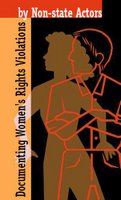
Tools to help address violence against women by non-state actors
By: Women Living Under Muslim Laws, Bauer J & Hélie A
Published by: Rights and Democracy, International Centre for Human Rights and Democratic Development (ICHRDD) , 2006
Via: Eldis
This manual aims to provide tools to help further the work of activists particularly those investigating and addressing violence against women perpetrated by non-state actors. It is especially designed for activists without legal backgrounds, with the aim of directing them towards legal definitions and human rights mechanisms that may help them in their efforts to ensure that states fully meet their obligation to protect. Divided into four parts the document covers:
- Standards for documenting abuse by non-state actors
- violence against women by non-state actors, framing the issues
- human rights concepts and the human rights framework as crucial tools to address violence against women by non-state actors
- documentation work from an activists perspective.
Violence against girls in Africa
Girls vulnerability to violence during armed conflict or crises
By: Holst-Roness FT
Published by: International Committee of the Red Cross (ICRC) , 2006
Via: Eldis
This paper draws attention to the many ways in which girls experience violence during armed conflict or crises, and briefly presents some of the activities carried out by the International Committee of the Red Cross (ICRC) to protect and assist them.
By: Holst-Roness FT
Published by: International Committee of the Red Cross (ICRC) , 2006
Via: Eldis
This paper draws attention to the many ways in which girls experience violence during armed conflict or crises, and briefly presents some of the activities carried out by the International Committee of the Red Cross (ICRC) to protect and assist them.
Subscribe to:
Posts (Atom)


